




Find a Lawyer
Book an appointment with us, or search the directory to find the right lawyer for you directly through the app.
Find out more


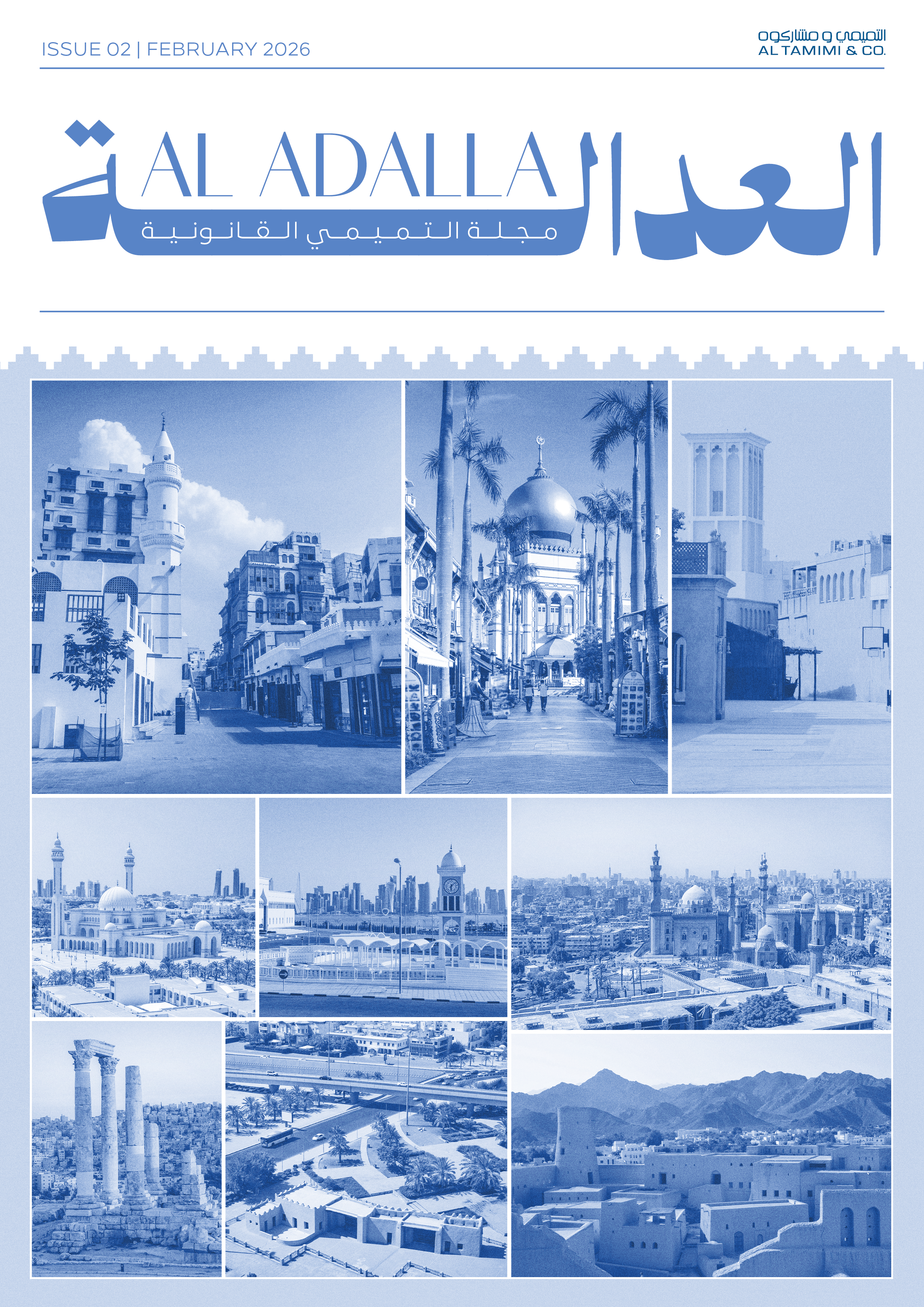
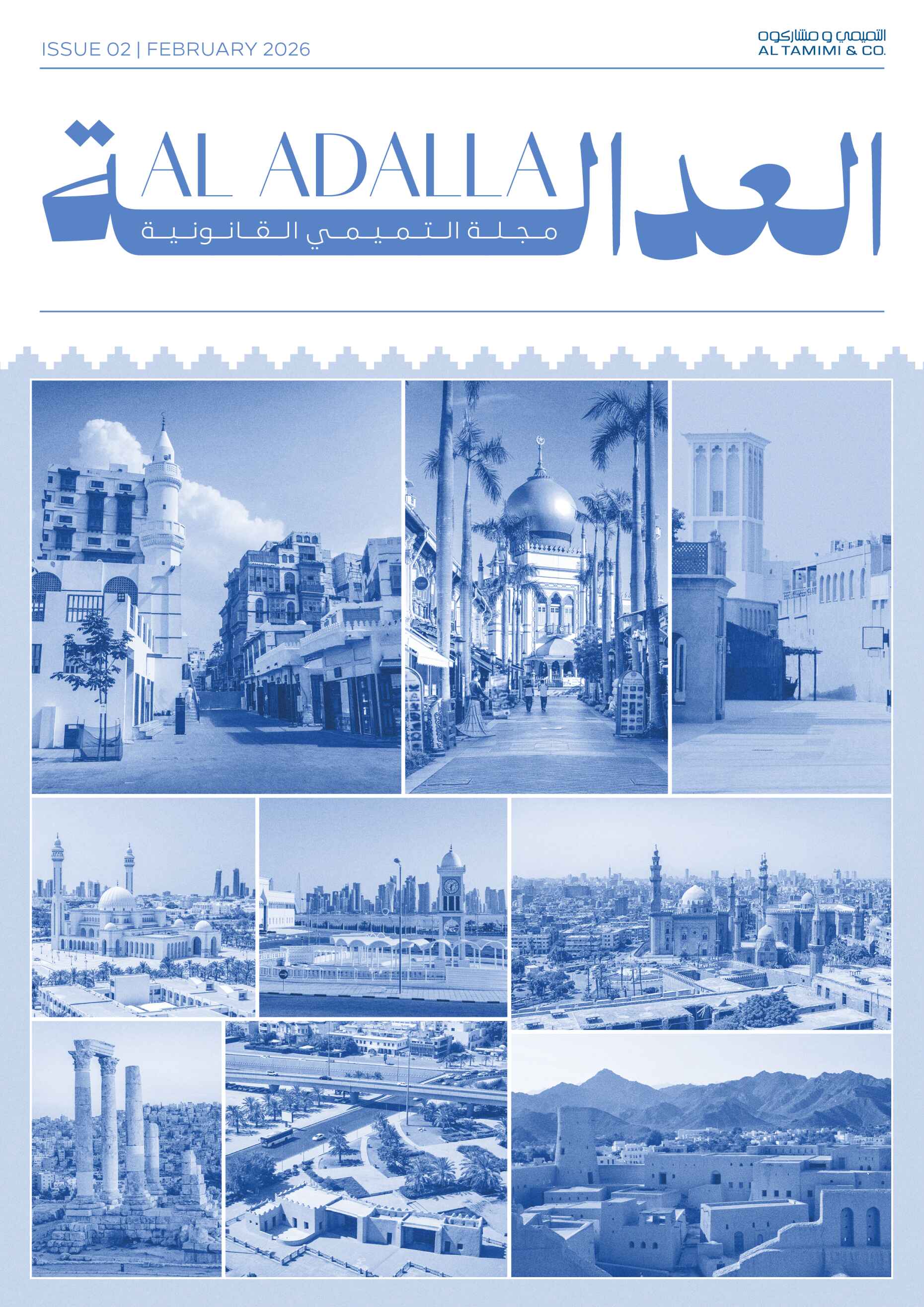
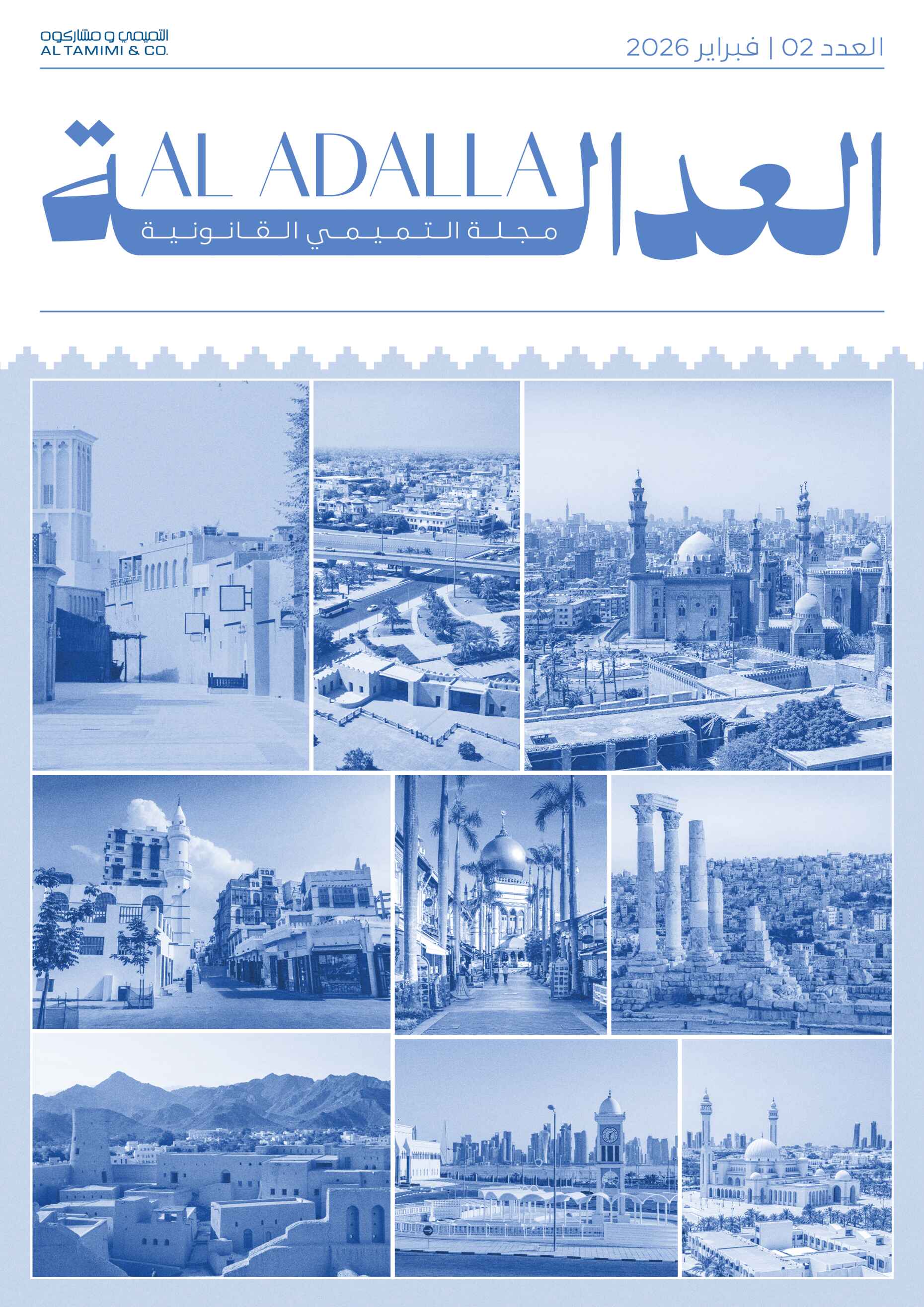
Al Adalla
Read MoreA complete spectrum of legal services across jurisdictions in the Middle East & North Africa.



Foreword
As we present this latest edition of Through the Looking Glass, we do so through the lens of a global investor and with the conviction of those who have witnessed first-hand the extraordinary transformation reshaping the Middle East and beyond. Few regions today offer the same combination of ambition, pace of reform, strategic positioning, and appetite for partnership. From our vantage point at the crossroads of international capital and regional opportunity, we see not only how markets are evolving, but where the next wave of investment value is being created.
This edition moves deliberately beyond black-letter law into the practical realities that matter most to foreign investors deploying capital across our markets. It explores how governments are competing to attract investment through liberalised ownership regimes, more agile regulatory pathways, enhanced investor protections, and increasingly sophisticated legal infrastructure. It also considers what these developments mean in practice for structuring investments, financing growth, managing risk, and operating successfully in one of the world’s most dynamic investment corridors. Through the Looking Glass is not intended to be a static survey; it is a forward-looking perspective on a region that has firmly positioned itself at the center of the global FDI conversations. Drawing on insights from our teams across all Al Tamimi core jurisdictions, we examine both the common threads and the market-specific nuances shaping investment regimes, incentive frameworks and ownership models. More importantly, we identify where capital allocation opportunities are likely to emerge, where reforms are accelerating and where investors can gain early-mover advantage.
The message is clear: this is a region where FDI is not merely welcomed, it is actively pursued, strategically enabled, and increasingly rewarded. Across our markets, investment architecture is being redefined through 100% foreign ownership frameworks, golden licence programmes, regional headquarters incentives, free zone tax advantages, specialist dispute resolution forums, and streamlined licensing ecosystems. Together, these measures are creating credible and compelling platforms through which foreign capital can be deployed, protected, scaled, and ultimately realised with growing certainty.
For boards, sponsors, and decision-makers, the conversation has evolved. The question is no longer whether this region warrants attention, but how best to participate in its growth story. How should holdings be structured? Which incentives can be optimised? What governance frameworks best support expansion? And where can capital be deployed today to capture tomorrow’s opportunity?
We hope this edition provides not only practical guidance for immediate decisions, but also the confidence to make deeper and more sustained commitments to the Middle East and North Africa over the long term. For those prepared to engage with ambition and act with conviction, the opportunity across our region has never been more compelling.

Samer Qudah
Partner, Head of Corporate
Partner, Head of Corporate
Articles





 13 min 17 sec







Metrics that Matter

5.4%

91%
55.6%
90%
3.9%

Stay updated
To learn more about our services and get the latest legal insights from across the Middle East and North Africa region, click on the link below.