



Find a Lawyer
Book an appointment with us, or search the directory to find the right lawyer for you directly through the app.
Find out more


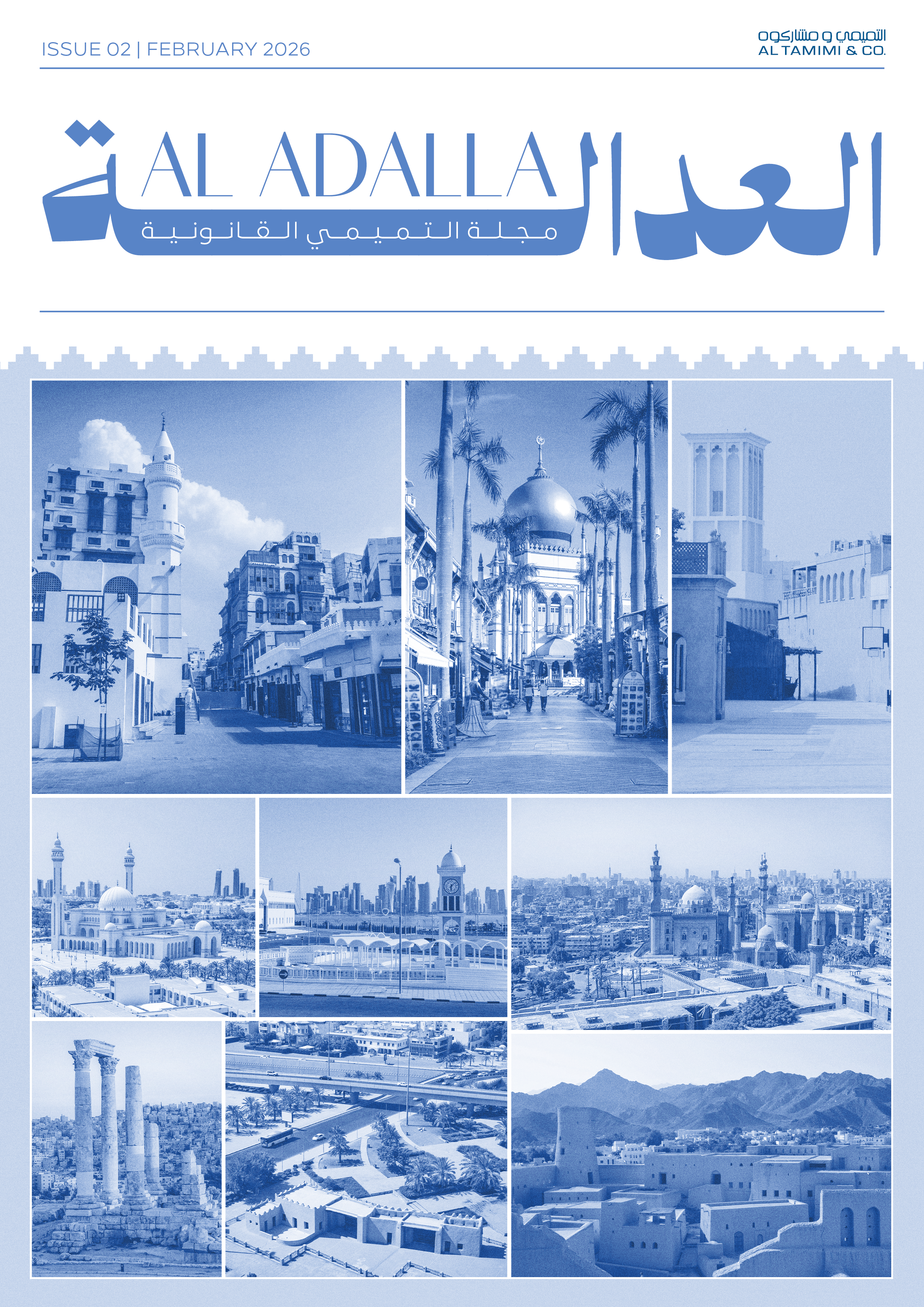
Al Adalla
Read MoreA complete spectrum of legal services across jurisdictions in the Middle East & North Africa.


Employer Obligations in an Ongoing Crisis: What Every HR and Legal Team in the UAE, Saudi Arabia, Qatar, Bahrain, Oman & Kuwait Needs to Know
The escalation of hostilities between Iran and the US-Israeli coalition, and its direct impact on the region’s airspace and infrastructure since late February 2026, has placed workforce management at the top of the agenda for every business operating in the region. The legal and operational questions arising are pressing, and this article sets out the key employment considerations for HR leaders and in-house counsel.
Employee Wellbeing and Communication
The psychological toll of working through a regional conflict is significant, whether an employee is based in their country of employment, has been evacuated, or is watching events unfold from a distance. Employers have both a legal and a practical interest in addressing this.
Anxiety, disrupted sleep, and the stress of sudden displacement are foreseeable consequences in the current environment. Employers should plan proactively rather than reactively.
Employee Safety, Security, and Evacuation
There is no blanket government requirement for any nationality to evacuate at this time. Individual embassies have issued guidance specific to their nationals, and the position will vary depending on each employee’s nationality and personal circumstances. Employers should therefore make individual, informed assessments for each affected employee rather than applying a one-size-fits-all approach.
Regardless of whether a formal evacuation order applies, the employer’s duty of care to its workforce is engaged. This duty is not confined to working hours. Where employees, particularly expatriates, are present in a jurisdiction specifically as a result of their employment, the employer’s responsibility for their safety may extend well beyond the office. Expatriate employees may be more exposed than local employees during a period of civil or regional instability, both physically and in terms of their access to support networks.
Employee Movement: Immigration and Work Authorisation
An employee who leaves their jurisdiction of employment and works from another jurisdiction, whether their home country or a third country, may be doing so without work authorisation unless specific steps are taken. This creates a compliance exposure for both the employer and the employee that arises immediately. The issue does not resolve itself simply because the relocation was involuntary.
Payroll Continuity
In the absence of furlough schemes in the region, employers remain obligated to continue making payroll payments to employees. Employers in jurisdictions where wage protection systems (WPS) operate, which require salaries to be paid electronically in local currency through a qualifying local financial institution, remain bound to continue payments through those schemes. This obligation continues in full, and employers should ensure their payroll pipelines are operating normally.
Employers operating under employment jurisdictions that do not have WPS obligations benefit from greater flexibility, as these jurisdictions permit payment in any agreed currency. Regardless of the applicable regime, the legal obligation to pay salaries on time is unaffected by the geopolitical situation.
Employers should also consider the position of non-employed members of their workforce, including agency staff, contractors, and service company personnel, and whether any third-party payment arrangements require review.
Cybersecurity Awareness
Periods of geopolitical instability are consistently accompanied by an elevated risk of cyberattack, including by state-sponsored actors. This risk is compounded by the rapid shift to remote working that a crisis environment typically produces, as employees connect to corporate systems using insecure networks and personal devices.
Military Service Call-Up
A number of countries impose national service obligations on their nationals. Once national service is completed, these individuals are typically treated as part of the reserve forces and may be subject to call-up should the military require additional personnel in times of national emergency.
Specific obligations apply to employers in each country when their national employees are called up for service. These typically include preservation of the employee’s role, a right to return, and continued payment of full salary and pension contributions during the call-up period.
Redundancy and Constructive Dismissal
Where the current crisis leads an employer to consider reducing its headcount for economic or structural reasons, specific legal requirements apply.
Separately, employers must take care that operational decisions made in response to the crisis, such as materially altering an employee’s role, location, or remuneration without consent, do not amount to a fundamental breach of contract. Constructive dismissal claims arising from crisis-period decisions are an exposure that employers often overlook until it is too late.
The situation in the region is evolving rapidly. Al Tamimi & Company’s Employment team is available to assist employers in navigating the challenges described in this article.
For assistance, please contact:
UAE: Samir Kantaria – s.kantaria@tamimi.com
Saudi Arabia: Mohsin Khan – Mohsin.Khan@tamimi.com
Qatar: Katrina Wilson – k.wilson@tamimi.com
Bahrain & Oman: Sabrina Saxena – S.Saxena@tamimi.com
Kuwait: Aaron Dikos – A.Dikos@tamimi.com
This article is for general information purposes only and does not constitute legal advice. Specific legal advice should be sought in relation to any particular situation and government guidance must be followed at all times.
© Al Tamimi & Company 2026
Key Contacts
 s.kantaria@tamimi.com
Spread the news


Stay updated
To learn more about our services and get the latest legal insights from across the Middle East and North Africa region, click on the link below.