



Find a Lawyer
Book an appointment with us, or search the directory to find the right lawyer for you directly through the app.
Find out more


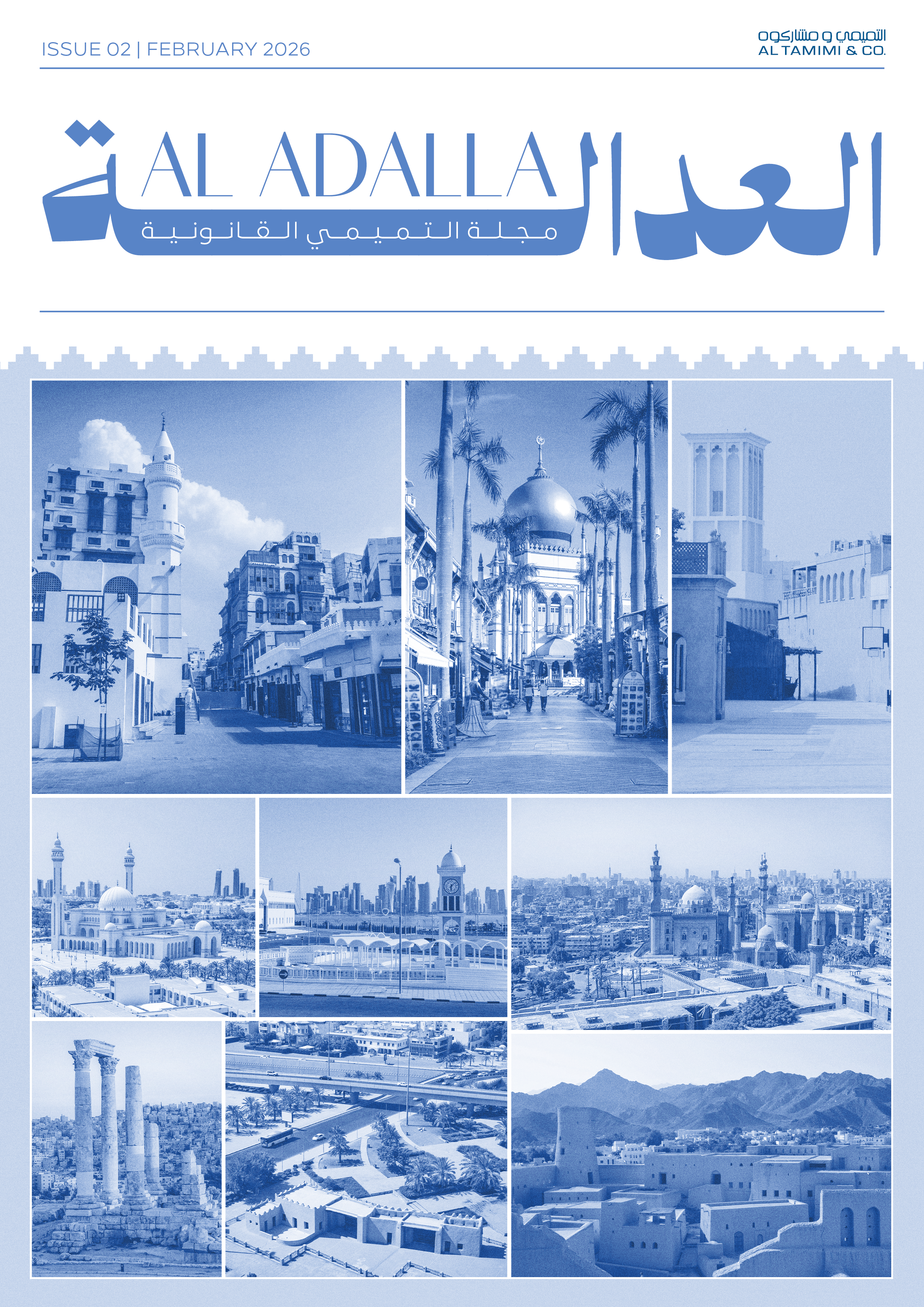
Al Adalla
Read MoreA complete spectrum of legal services across jurisdictions in the Middle East & North Africa.


Jordan’s Gas Law: A New Framework for the Energy Sector
On 6 May 2026, Jordan enacted Gas Law No. 16 of 2026 (the “Gas Law”), introducing a dedicated legislative framework for the regulation and development of the gas sector. The Gas Law creates a standalone regime for gas-related activities, separate from the Petroleum Derivatives Law No. 11 of 2018 (the “Petroleum Law”).
The Petroleum Law will continue to regulate petroleum derivatives, crude oil, biofuels, and coal. By contrast, the Gas Law now governs natural gas, liquefied natural gas (“LNG”), compressed natural gas (“CNG”), hydrogen, and a broad range of related activities and products.
Until specific regulations, instructions, and other instruments are issued under the Gas Law, secondary legislation issued under the Petroleum Law will continue to apply to the gas sector to the extent relevant.
Key Developments
Expanded Scope of Gas Regulation
The Gas Law significantly broadens the scope of regulated gas products beyond traditional hydrocarbons. In addition to natural gas, LNG, and CNG, the definition of “gas” now includes biomethane, biogas, hydrogen, green hydrogen, ammonia, methanol, and any other substance designated by the Minister of Energy and Mineral Resources, provided that it is suitable for energy use and pipeline injection.
The Gas Law also introduces a dedicated framework for hydrogen and hydrogen derivatives, including green hydrogen produced through electrolysis using renewable energy. These products were not previously addressed in a comprehensive manner under the Petroleum Law, making their inclusion a notable development for Jordan’s emerging hydrogen and renewable energy markets.
Unified Licensing and Regulatory Oversight
The Gas Law establishes a comprehensive licensing framework across the gas supply chain. Regulated activities include the development and operation of shared-use infrastructure, such as transmission pipelines, storage facilities, liquefaction facilities, and regasification facilities, as well as private-use facilities and commercial activities including import, export, transit, retail supply, and the operation of gas-fuelling stations.
All regulated activities require a licence from the Energy and Minerals Regulatory Commission (the “EMRC”), creating a single point of regulatory oversight for the sector.
The Gas Law also clarifies the division of responsibilities between the Ministry of Energy and Mineral Resources (the “Ministry”) and the EMRC. The Ministry retains responsibility for policy, strategy, and sector planning, while the EMRC is responsible for licensing, supervision, enforcement, emergency planning, and operational regulation.
Infrastructure Regulation and Unbundling
The Gas Law introduces a detailed infrastructure framework that distinguishes between different categories of gas facilities, each subject to specific regulatory requirements.
A central feature of the new regime is the distinction between shared-use and private-use infrastructure. Shared-use facilities are subject to more stringent obligations, including regulated tariffs, third-party access requirements, and rules designed to ensure fair, transparent, and non-discriminatory market access.
The Gas Law also introduces functional unbundling requirements. Operators of shared-use infrastructure are generally prohibited from carrying out other gas sector activities, subject to limited exceptions. These restrictions are intended to reduce conflicts of interest and promote non-discriminatory access to essential infrastructure.
Market-Based Pricing and Enforcement
The Gas Law departs materially from the pricing approach under the Petroleum Law. Prices for gas and hydrogen derivatives will be determined by licensees in accordance with methodologies approved by the EMRC. These methodologies must ensure transparency, reflect costs, preserve market stability, and protect consumers.
In addition the law establishes extensive safety and enforcement measures, including a sector-wide emergency response plan and strict approval requirements for construction activities near gas infrastructure.
The enforcement regime combines financial penalties with potential imprisonment for certain violations, including operating without a licence or obstructing regulators. Fines for unauthorised activities are no longer capped, exposing violators to potentially significant financial liability.
How Can We Help?
Jordan’s new dedicated gas regime represents a significant development in the country’s energy landscape. Businesses, investors, and infrastructure developers will need to assess how the new licensing, infrastructure access, pricing, safety, and compliance requirements may affect current and future activities in the sector.
For further information on how the Gas Law may affect your business or investment activities, please contact: Khaled Saqqaf K.Saqqaf@tamimi.com, Tareq Madanat T.Madanat@tamimi.com; Dana Abduljaleel D.Abduljaleel@tamimi.com or any member of the Corporate or Banking Teams at Al Tamimi & Company.
Key Contacts
 k.saqqaf@tamimi.com
Spread the news


Stay updated
To learn more about our services and get the latest legal insights from across the Middle East and North Africa region, click on the link below.