



Find a Lawyer
Book an appointment with us, or search the directory to find the right lawyer for you directly through the app.
Find out more


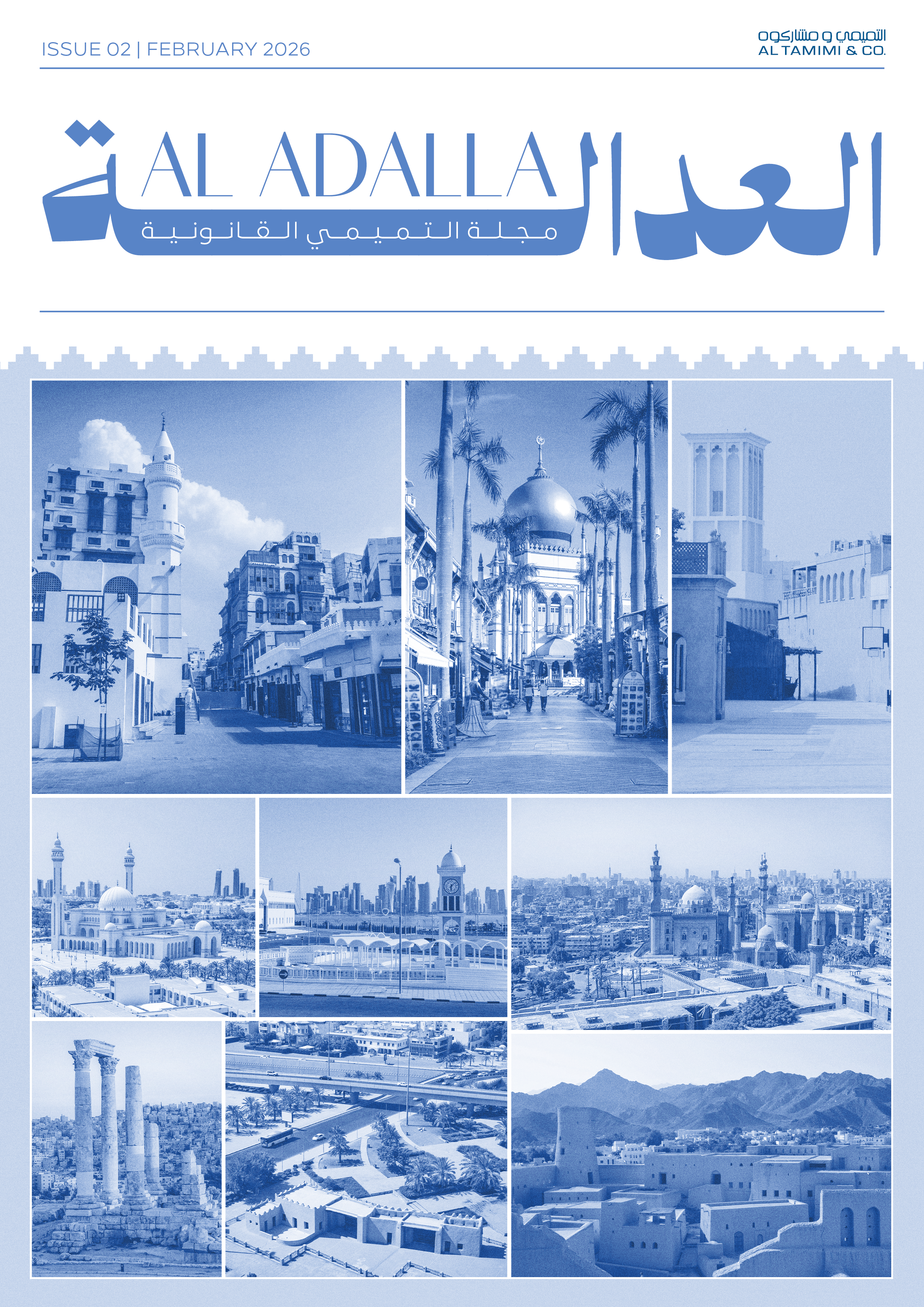
Al Adalla
Read MoreA complete spectrum of legal services across jurisdictions in the Middle East & North Africa.


Libya – Trademark update
Valerie Rodrigues
 v.rodrigues@tamimi.com
June 2013
With significant growth in Libya expected this year, it is anticipated that brand owners will have to revisit their trademark protection strategies for this growing North African economy sooner, rather than later.
As widely reported, the Libyan Trademarks Office recently resumed its services and is now accepting requests for trade mark searches, as well as new trademark applications after being closed for almost two years.
During the period 2009 to 2011, a number of changes took place in respect of the protection of trade marks in Libya which are worth revisiting in light of anticipated new interest in the protection of valuable trade mark assets in this jurisdiction:
Classification of Goods and Services
With respect to the classification of goods and services the eighth edition of the International Classification of Goods and Services is followed, with the exception that trademarks cannot be protected in respect of goods in class 33, alcoholic beverages in class 32 and certain Christmas related goods included in class 28.
It is also important to note that “veterinary apparatus and instruments” were added to Class 10 and as alluded to above, “decorations for Christmas trees and related products” were removed from Class 28.
New TradeMark Law
Back in 2010 a new trade mark law was published replacing the Law No. 40 of 1956, but the implementing regulations to this law have not been issued. The new law included the following important developments:
- broadening the definition of trade marks to include trade names, sound marks and colour marks;
- affording protection to trademarks that are well known in Libya, even if they are not registered in Libya; and
- imposing penalties of imprisonment of up to two years and fines of up to US$7,500 in respect of trade mark infringement.
Trademark Filing Requirements
The documents required in respect of a trademark application are (i) a Power of Attorney incorporating an Arabic translation and (ii) a certified copy of the Incorporation Certificate of the applicant – both duly legalized up to Libyan Consulate. Importantly, a copy of a home or foreign registration certificate is no longer required.
If you require any assistance with respect to the prosecution of trade marks in Libya, please contact Mohammed Ali at m.ali@tamimi.com.
Spread the news


Spread the news
Stay updated
To learn more about our services and get the latest legal insights from across the Middle East and North Africa region, click on the link below.